How Fixture Congestion Reshapes Team Dynamics and Betting Markets Across Multiple European Competitions
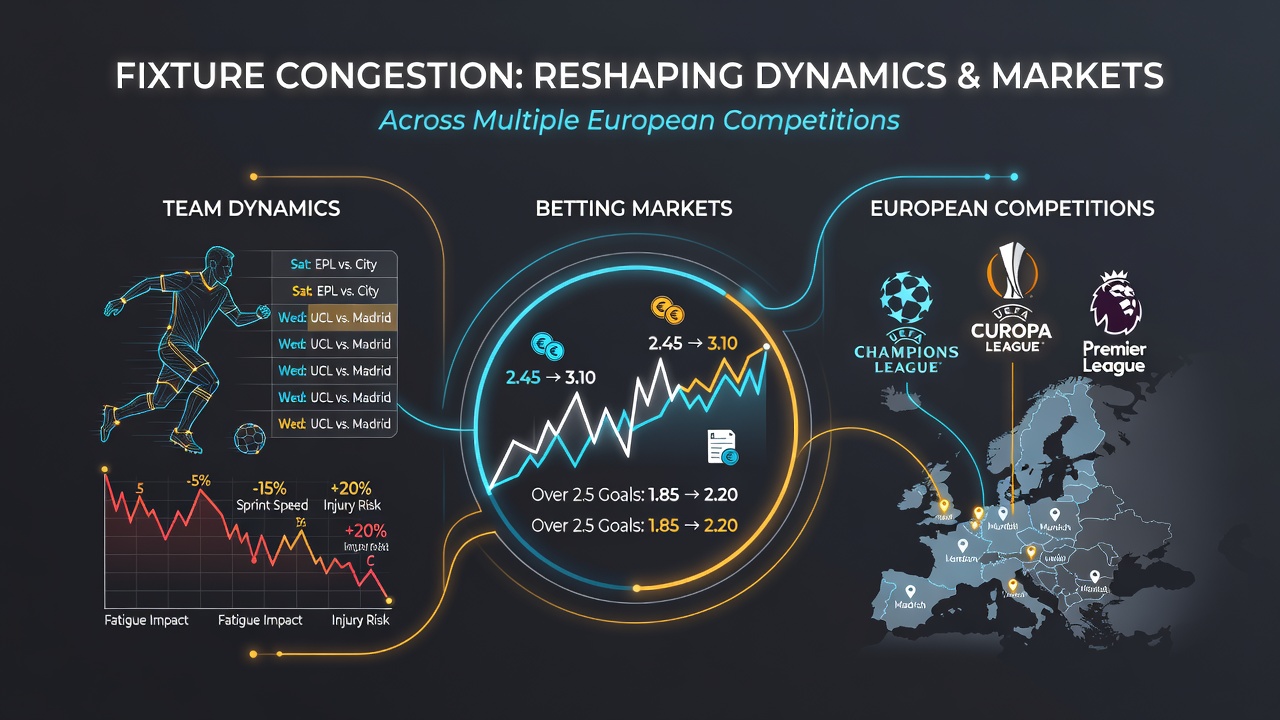
Fixture congestion has intensified across European football as clubs balance domestic leagues, national cups, and continental tournaments, and data from the 2025/26 season shows schedules stretching into August 2026 with limited recovery windows. Teams in the Premier League, La Liga, Serie A, Bundesliga, and Champions League face overlapping commitments that force adjustments in squad management, and researchers tracking these patterns note measurable shifts in performance metrics and injury rates.
Effects on Player Workloads and Squad Management
Coaches respond to packed calendars by rotating players more frequently, and studies from sports science departments indicate that squads averaging fewer than four days between matches record higher rates of muscle strains. In August 2026, several clubs entered the new campaign with players returning from international tournaments, which compressed pre-season preparation and led to earlier use of youth academy talents. Data collected by the European Club Association reveals that teams participating in multiple fronts made an average of 3.2 more substitutions per game compared with clubs in single competitions.
Training regimens adapt accordingly, with sessions shortened and focused on recovery protocols rather than high-intensity drills, while medical staff monitor biomarkers such as creatine kinase levels to predict fatigue. One case from the 2025/26 Champions League group stage illustrated this when a Serie A side fielded an entirely different starting eleven for consecutive league and European fixtures, maintaining results but showing elevated soft-tissue injury reports in subsequent weeks.
Changes in Team Dynamics and Tactical Approaches
Collective cohesion suffers when lineups change constantly, and analysts examining match footage observe reduced passing accuracy and defensive organization in the later stages of congested periods. Midfield units experience particular strain because central players often log the highest minutes, prompting managers to deploy holding midfielders in deeper roles to conserve energy. Teams that maintain larger squads with balanced depth tend to sustain performance levels longer, whereas those relying on a core group of starters encounter dips in pressing intensity after the third match in eight days.
Adjustments in Betting Markets and Odds Movements
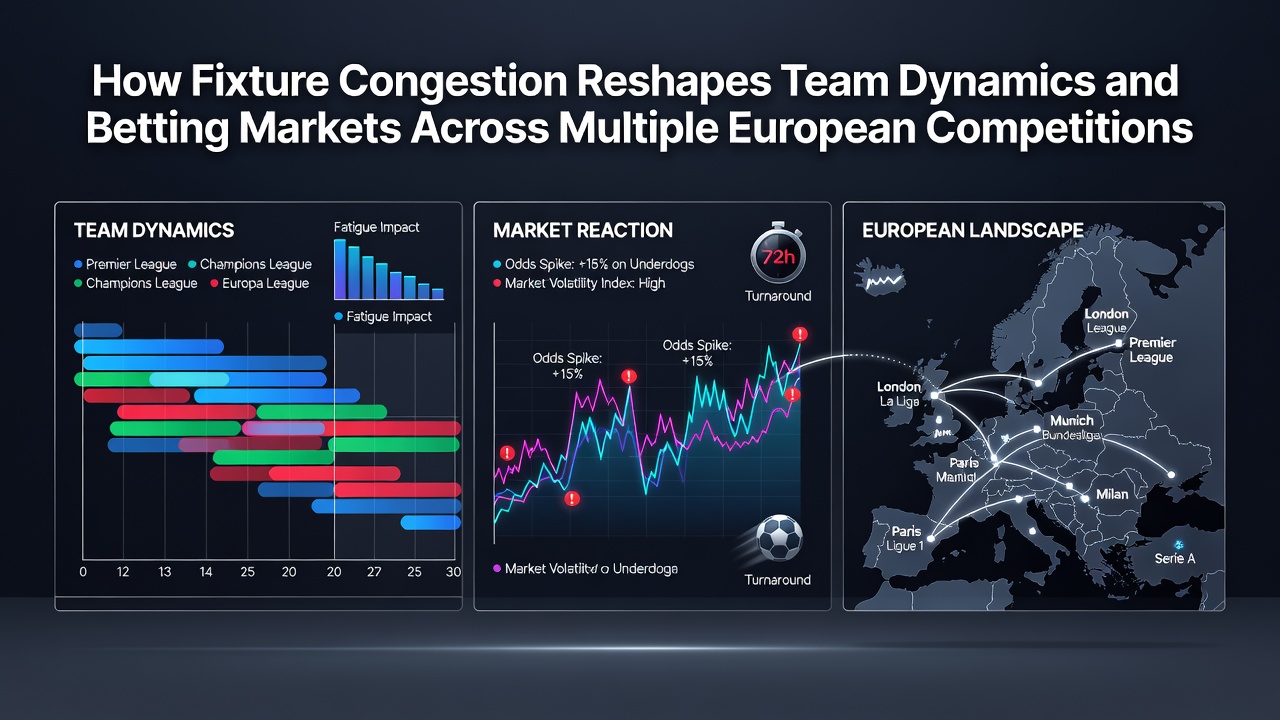
Betting operators monitor squad news and fixture density closely, adjusting pre-match odds when congestion indicators rise, and historical data sets from the past five seasons demonstrate that teams playing their third match in seven days win 12 percent fewer games on average. Markets for player props, such as goals scored or assists, also shift because fatigued attackers record lower expected goal contributions according to tracking data. European regulatory frameworks require transparency in how these factors influence lines, and reports from the Malta Gaming Authority document increased scrutiny on live betting during congested windows.
Turnovers in ownership of matches rise when bookmakers price in recovery disadvantages, and sharp bettors who track travel distances plus rest days have documented consistent edges in certain leagues. A research paper from the University of Barcelona's sports analytics group examined over 2,400 fixtures and found that betting volumes on under-2.5 goals increase notably when both sides enter a match with less than 72 hours recovery.
Comparative Patterns Across Leagues and Competitions
English clubs face additional domestic cup rounds that compound European commitments, while Spanish and Italian sides often encounter longer travel within their countries yet benefit from slightly different scheduling philosophies. Bundesliga teams, protected by winter breaks in some seasons, still report elevated injury clusters during autumn and spring blocks. Across the 2025/26 campaign, observers noted that Champions League participants who also contested domestic titles showed the steepest decline in league goal difference after matchweek 12, a pattern consistent with workload studies published in earlier cycles.
International breaks inserted into calendars provide partial relief, yet the return of players from national team duty frequently coincides with another cluster of club fixtures, extending the cycle of adaptation. Clubs with access to advanced recovery facilities and larger medical teams mitigate some effects, and figures from league-wide databases confirm lower absence rates among those sides.
Conclusion
Fixture congestion continues to influence both on-field dynamics and market pricing across European competitions, with data from multiple seasons illustrating predictable patterns in rotation, injury incidence, and betting adjustments. As calendars evolve into 2026 and beyond, clubs and operators alike rely on detailed scheduling analysis and performance tracking to navigate the demands.